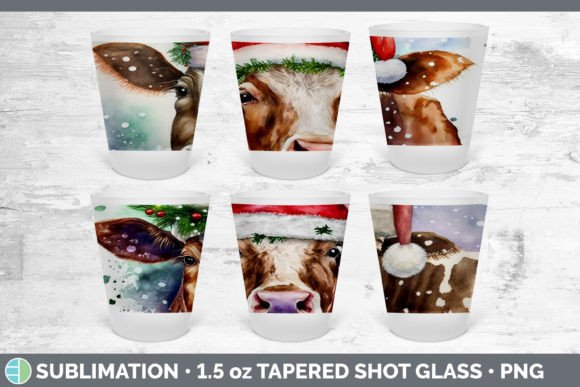
Christmas Bull Shot Glass Sublimation: Fresh Illustrations
As a digital publisher who has spent years curating visual assets for high-traffic blogs and editorial sites, I approach every new graphic design asset with a critical eye. It is not enough for an image to simply look good; it must perform. It needs to stop the scroll, communicate a mood instantly, and integrate seamlessly into a complex content ecosystem. My first impression of the Christmas Bull Shot Glass Sublimation design was one of immediate seasonal utility mixed with a distinct, playful character. This is not your generic snowflake or standard reindeer clip art. It carries a specific personality that suggests a lifestyle-focused, perhaps slightly humorous or "adults-only" holiday vibe, which is a goldmine for niche bloggers looking to stand out in a saturated market.
The editorial mood created by this piece is undeniably festive but grounded in modern pop culture aesthetics. For content creators in the lifestyle, party planning, or humorous gift guide niches, this asset signals that the content following it will be fun, relatable, and unpretentious. When evaluating Illustrations for real website use, I look for versatility. Does it feel too cartoonish for a professional newsletter? Is it too subtle for a bold Pinterest pin? The Christmas Bull Shot Glass Sublimation strikes a balance that feels decorative yet bold enough to serve as a primary focal point. It supports content that needs to look polished but also clickable, bridging the gap between high-end editorial design and shareable social media content.
Integrating Assets into a Real Publishing Workflow
In my daily workflow, a single design file rarely stays in one place. I imagine taking this specific asset and deploying it across a multi-channel content strategy. For a holiday blog post titled "Top 10 Gag Gifts for the Office Party," this image serves as the perfect website header. It immediately sets the tone before the reader even scans the first paragraph. Beyond the blog roll, this graphic is primed for Pinterest pin creation. The vertical composition potential allows for overlaying bold typography, creating a visual hierarchy that drives clicks from the feed to the site.
Furthermore, for email marketers and newsletter creators, this asset can act as a striking header graphic for a December edition, breaking up text-heavy updates with a splash of seasonal humor. It also holds significant value as a component in digital products. Imagine a downloadable "Holiday Party Planner" or a printable gift tag set; incorporating this sublimation design adds perceived value to a digital download. For those running affiliate marketing campaigns, using this image in social media graphics or story highlights can increase engagement rates because it feels native to the platform rather than like a sterile stock photo. It transforms standard blog graphics into branded content that readers recognize and trust.
Boosting Content Performance and Visual Identity
The strategic inclusion of unique assets like the Christmas Bull Shot Glass Sublimation directly impacts key performance metrics. A stronger first impression leads to lower bounce rates. When a visitor lands on a page and sees a cohesive, custom-feeling visual, their trust in the brand increases. This contributes to a stronger brand identity. In a sea of generic holiday content, having a consistent visual thread—perhaps using this bull motif across various design assets throughout the season—helps with category recognition. Readers begin to associate that specific style of humor and design with your publication.
This asset supports better click-through potential because it disrupts the pattern of traditional red-and-green imagery. It offers a fresh take that appeals to a specific demographic, likely millennials or Gen Z consumers who appreciate ironic or novelty holiday decor. By maintaining a consistent visual language, you improve the overall professionalism of your content pages. It shows that attention was paid to the details, which translates to higher authority in the eyes of both readers and search engines evaluating user experience signals.
Ideal Use Cases and Strategic Placement
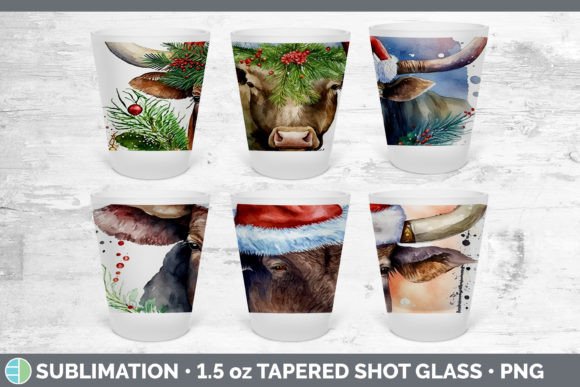
To maximize the ROI of this creative design, placement is everything. It works exceptionally well as a hero image on landing pages dedicated to holiday guides. It shines as an article thumbnail where the subject matter aligns with novelty gifts, barware, or humorous holiday traditions. For small business branding, this could be the centerpiece of a limited-edition merchandise line, printed on actual shot glasses via sublimation and sold as a commercial design product. It is also effective as an editorial accent within a larger layout, perhaps breaking up long-form text or serving as a bullet point icon in a listicle.
However, there are scenarios where caution is required. This specific illustration might not be suitable for serious professional niches such as corporate finance, legal advice, or medical health content, where the tone must remain strictly formal. It should be used carefully on small mobile thumbnails if the details of the bull or the glass are too intricate, as they may blur on low-resolution screens. Additionally, placing this busy, character-driven image over text-heavy backgrounds or low-contrast areas can ruin readability. It demands space to breathe. If your website relies on a very minimal, stark visual system, this playful asset might clash unless framed intentionally as a deliberate contrast element.
Practical Notes for Publishers and Designers
Before integrating the Christmas Bull Shot Glass Sublimation into your live environment, rigorous testing is essential. Preview the image on both desktop and mobile screens to ensure the scaling works correctly. Check how it looks specifically as a thumbnail in your CMS grid; sometimes colors shift or details get lost at smaller sizes. Test the image with various headline fonts. I recommend trying it beside a bold sans serif font for a modern look, or perhaps a quirky script font to enhance the playful nature of the bull. Avoid pairing it with overly delicate serif fonts that might get visually drowned out by the strong lines of the illustration.
From a technical standpoint, review the file size. Large PNGs or TIFFs intended for sublimation printing might need compression for optimal web design performance. Ensure you are serving next-gen formats like WebP to keep page load speeds fast. Most importantly, confirm the licensing terms. If you are using this for monetized websites, affiliate pages, or including it in a paid Canva template or lead magnet, you must verify that you have a commercial license. Many assets found on a creative marketplace have restrictions on print-on-demand usage versus digital usage. Understanding these distinctions protects your business from legal issues and ensures your content marketing efforts are built on a solid foundation. By treating this illustration not just as a picture, but as a strategic tool in your affiliate marketing and publishing toolkit, you unlock its full potential to drive engagement and sales.