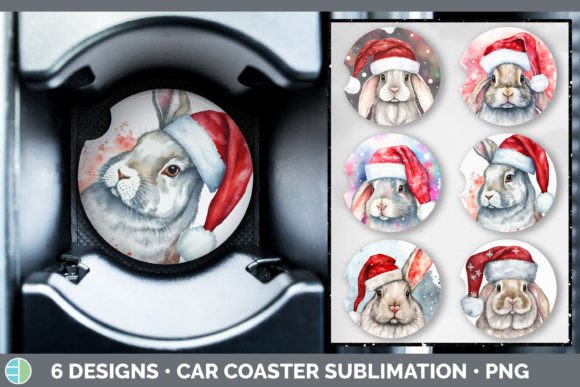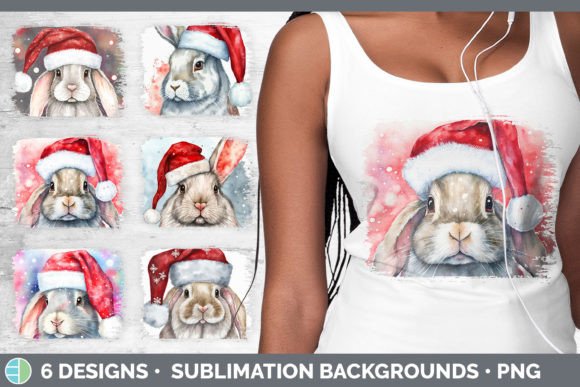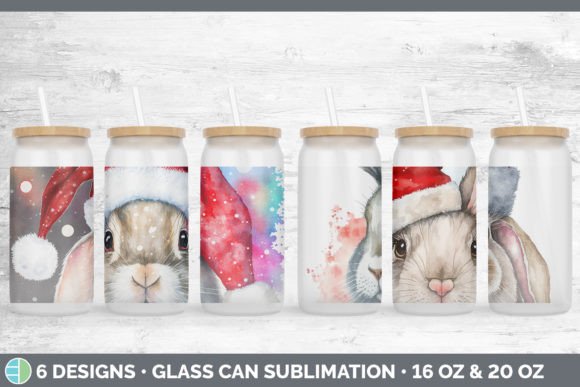
Christmas Bunny Glass Can Sublimation: A Designer's Review
As a designer who spends more time staring at stitch maps than most people spend on their phones, I approach every new machine embroidery design with a mix of excitement and skepticism. We've all been there: you download a file that looks adorable on the screen, only to find out it's a tangled mess of underlay or impossible to stitch on anything other than perfect cotton. Today, I'm taking a close look at Christmas Bunny Glass Can Sublimation. While the title suggests a sublimation workflow, my focus is strictly on how this illustration translates into thread for real-world embroidery projects.
The first thing that strikes me about this piece is its mood. It captures that specific niche of holiday whimsy where cute meets cozy. The layout feels balanced, avoiding the clutter that often plagues seasonal designs. For those of us running a craft business or selling as an Etsy seller, visual clarity is currency. If a customer can't instantly recognize the subject from three feet away, the design loses its impact on a tote bag or a sweatshirt. This design seems to understand that simplicity often sells better than complexity, especially when working with the limitations of thread.
Visualizing the Finished Product
Let's move beyond the digital preview and imagine this as a physical handmade product. I recently had a client request a series of personalized gifts for a baby shower due in December. They wanted something that wasn't the standard "Baby's First Christmas" text but still felt festive. This is exactly where Christmas Bunny Glass Can Sublimation shines. Imagining this stitched onto a soft, heather-grey onesie or a plush nursery blanket creates an immediate emotional connection.
The character's personality comes through in the line work. In an applique design context, the shapes here would cut cleanly, allowing for crisp fabric layers. If executed as a full fill, the potential for texture is high. However, we need to talk about how this performs on different materials. A sweatshirt embroidery project requires a different approach than a structured cap. On a fleece hoodie, the softer edges of this illustration would blend beautifully with the fabric texture, creating a vintage, worn-in look that customers love. Conversely, on a tight-woven canvas tote, the details would pop with high definition, making it an excellent choice for boutique branding.
For holiday embroidery specifically, timing is everything. Having a design ready that bridges the gap between general winter themes and specific Christmas motifs is a huge asset. This design avoids being too religious or too secular, hitting that sweet spot for a wide range of buyers. Whether it's used for a kitchen towel set or a decorative pillow cover, the versatility adds value to your inventory without requiring you to source ten different files.
Technical Considerations for Real-World Stitching
Now, let's get into the nitty-gritty. Every experienced digitizer knows that a pretty picture doesn't always equal a good embroidery file. When evaluating Christmas Bunny Glass Can Sublimation for production, there are several technical factors to weigh before hooping up your machine.
First, consider the stitch density. Illustrations often rely on fine lines that can disappear if the density is too low or break if it's too high. Before committing to a final run, I always recommend testing the design on scrap fabric that matches your intended material. If you are planning to use this on stretchy knit fabrics for custom apparel, you must pair it with the correct stabilizer. A water-soluble topper might be necessary to prevent the stitches from sinking into the pile of a towel or the nap of a sweatshirt.
Another critical area is the hoop size. While many modern machines handle large areas, smaller hoops are common for items like caps or socks. You need to verify if the design fits within your available hoop dimensions without losing essential details. If the design includes tiny elements near the edge, they might get chopped off or distort during the framing process. Always check the bounding box dimensions provided with the file.
Color selection is also vital. The original artwork likely uses a specific palette, but thread colors behave differently than ink. A gradient that looks smooth in a digital mockup might require complex blending techniques in thread, such as varying satin stitch angles or using a running stitch for shading. I suggest creating black-and-white mockups first to ensure the contrast holds up. If the design relies entirely on color differentiation to define shapes, it might fail when stitched in monochrome or on dark fabrics where certain thread shades don't stand out.
Navigating Fabric and Application Challenges
Not every surface is created equal. While this design would look stunning on a flat pillow cover, applying it to curved surfaces like baseball caps requires caution. The distortion inherent in cap frames can warp the proportions of a character design, potentially making the bunny look squashed or elongated. If you intend to offer this as a small shop product on hats, do a test run on a similar blank to see how the fabric pulls.
Furthermore, consider the end-user experience. If this design is going onto an item that needs frequent washing, like a baby embroidery piece or a kitchen apron, the durability of the stitch types matters. Dense fill areas can become stiff and uncomfortable against sensitive skin. In these cases, simplifying the fill or opting for an appliqué method can improve the hand-feel of the finished product. Customers appreciate comfort just as much as aesthetics; a scratchy patch on a baby blanket is a quick route to a negative review.
Dark fabrics present another challenge. If the design relies on light thread colors, you may need a heavy underlay or a fabric patch background to prevent the garment color from showing through and muting the vibrancy. This is particularly important for maintaining brand consistency if you are selling a line of merchandise where the logo or character needs to look identical across black, navy, and white garments.
Maximizing Value and Professionalism
Ultimately, the goal of using a design like Christmas Bunny Glass Can Sublimation is to elevate your brand. High-quality stitching builds trust. When a customer sees clean corners, consistent tension, and thoughtful color choices, they perceive higher value. This perception allows you to price your personalized gift items more competitively.
For digital product sellers, offering this as part of a bundle with printable mockups can increase engagement. Show potential buyers how the design looks on various items before they even purchase the file. However, always confirm the licensing terms. Just because a file is available doesn't mean it's cleared for commercial embroidery use. Ensure you have the rights to sell finished items or the digital assets themselves to avoid legal headaches down the road.
In conclusion, while the source material may originate from a sublimation context, the artistic merit of this illustration holds significant promise for embroidery. With careful attention to stabilizer choice, thread selection, and fabric compatibility, it can be transformed from a simple image into a cherished heirloom. Whether you are decorating a single gift for a friend or stocking shelves for the holiday rush, approaching this design with a critical eye and a practical mindset will ensure your results are nothing short of professional.