Review: Christmas Donkey Glass Can Sublimation for Embroidery
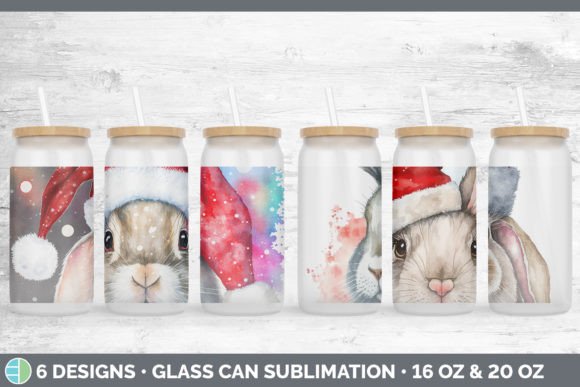
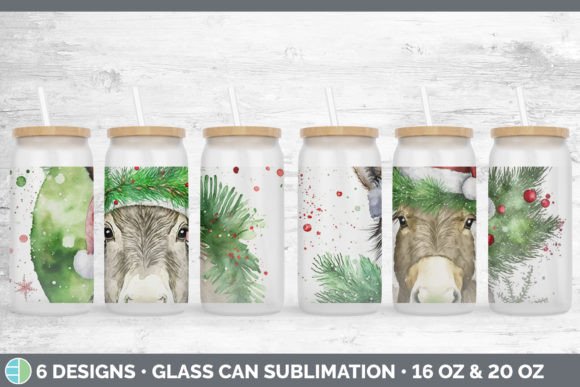
As a designer who spends more time hooped up at the machine than anywhere else, I approach every new machine embroidery design with a mix of excitement and skepticism. We have all seen those cute digital previews that look perfect on a screen but turn into a thready mess once the needle hits the fabric. Today, I am taking a close look at the Christmas Donkey Glass Can Sublimation illustration. While the product title suggests a sublimation workflow, my job is to evaluate its potential as a stitched asset for real-world craft business items. Does this whimsical holiday character hold up under the scrutiny of a high-speed embroidery head, or is it best left as a printed graphic?
The Visual Personality and First Impressions
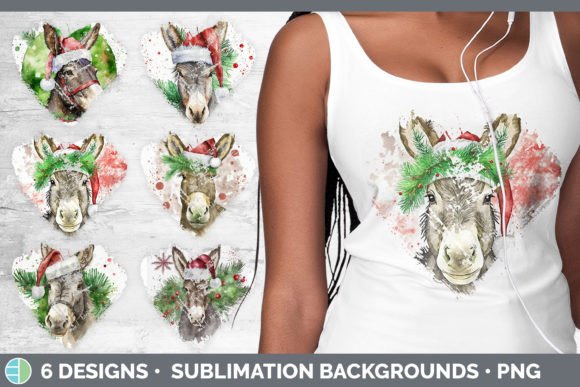
When I first pulled up the Illustrations file for the Christmas Donkey, the immediate vibe was playful and nostalgic. There is something inherently charming about a donkey in a holiday setting; it breaks away from the standard reindeer and snowman tropes we see every December. The layout feels balanced, with a clear focal point that draws the eye to the character's expression. For an embroidery project, this is crucial. If the details are too scattered, the stitch count balloons, and the design loses its impact on smaller garments.
The mood created here is warm and inviting, perfect for boutique branding or handmade products aimed at families. However, translating a sublimation-style graphic into thread requires a mental shift. Sublimation relies on gradients and soft edges, whereas embroidery thrives on defined shapes and color blocking. My first thought was how this design would need to be adapted. Would it work better as a full fill stitch rendition, or would it shine as an applique design where fabric textures do the heavy lifting? The visual personality suggests it could excel as a patch or a central motif on a cozy winter item.
Real-World Application: The Holiday Tote Scenario
To truly test the viability of this design, I imagined a specific client request: a set of custom reusable tote bags for a local bakery's holiday gift sets. This is a common scenario for many Etsy sellers and small shop owners. The goal is to create a personalized gift that feels premium but remains durable enough for carrying groceries or gifts.
In this context, the Christmas Donkey Glass Can Sublimation concept translates beautifully into a large-format embroidery piece. Placed centrally on a canvas tote, the design offers ample space for detail. I envision using a combination of satin stitch for the text elements (if any are added later) and dense fill stitches for the donkey's body to ensure opacity against the natural canvas color. The result would be a tactile, high-value finished product that customers love to show off. Unlike a printed image that might crack or fade after a few washes, an embroidered version adds texture and longevity, increasing the perceived value of the bakery's merchandise.
Beyond totes, this design fits seamlessly onto sweatshirt embroidery projects. Imagine a crewneck sweatshirt in heather grey with this donkey stitched over the heart. It creates an instant "ugly sweater" vibe without being tacky. For baby embroidery, scaling the design down for a onesie or a burp cloth could work, provided the detail level is adjusted to prevent puckering on such small, stretchy fabrics.
Technical Considerations and Fabric Challenges
While the aesthetic appeal is strong, we must discuss the technical realities of stitching this type of illustration. Not every surface is created equal. If you plan to use this on textured fabrics like terrycloth towels or thick fleece blankets, you need to be mindful of stitch density. A design originally intended for smooth sublimation blanks might have fine details that get lost in the pile of a towel. In such cases, simplifying the running stitches or increasing the pull compensation is necessary to maintain clarity.
Curved surfaces present another hurdle. Applying this to a cap or hat requires careful consideration of the hoop size and the distortion that occurs on the front panel. The donkey's features, particularly around the eyes and ears, could warp if the design is too wide or if the stabilizer isn't robust enough. Speaking of which, using the correct stabilizer is non-negotiable. For stretchy custom apparel like t-shirts, a cut-away stabilizer is essential to prevent the design from sagging over time. For woven items like aprons or pillow covers, a tear-away might suffice, but always test first.
Dark fabrics pose a specific challenge for light-colored illustrations. If the donkey is primarily light-toned, stitching it directly onto a navy or black garment will require a dense underlay or even a fabric backing to prevent the dark material from showing through the stitches. This is where converting the concept into an appliqué might save you time and thread, creating a crisp edge without excessive density.
Maximizing Value and Customer Trust
The way a design is executed directly affects customer trust and brand consistency. A sloppy stitch-out with visible gaps or bird nests can ruin the reputation of a craft business. Conversely, a clean, well-digitized version of the Christmas Donkey Glass Can Sublimation theme elevates the handmade product status. It signals professionalism. When a buyer receives an embroidered patch or a decorated garment that feels substantial and looks precise, they are more likely to return for future holiday embroidery needs or recommend your shop to friends.
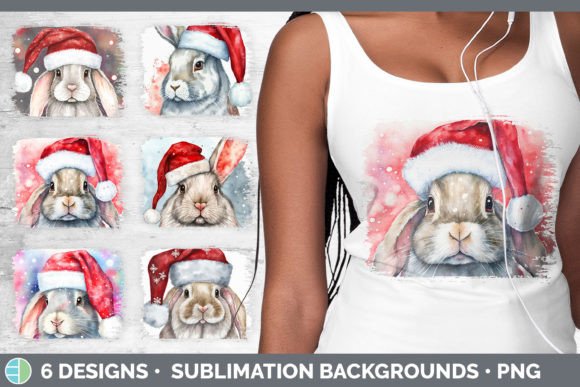
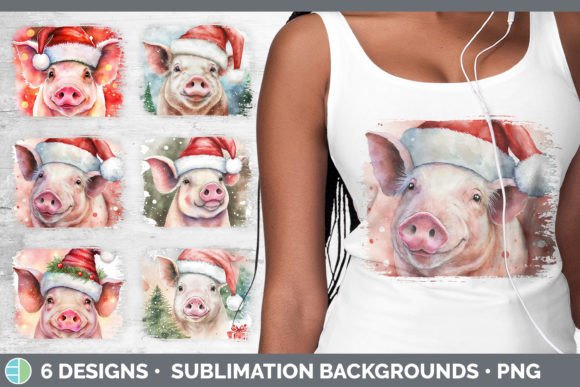
For those selling digital embroidery file assets, presenting this design in high-quality mockups is key. Show it on various backgrounds—light, dark, and textured—to help potential buyers visualize the end result. A good printable mockup can bridge the gap between the digital file and the physical reality, boosting buyer engagement.
Practical Notes for the Working Designer
Before you commit to stitching this on a client's expensive garment, here are my top recommendations for ensuring success:
- Test on Scrap Fabric: Always run a sample on the same material you intend to use for the final product. This reveals issues with tension and registration early.
- Check Thread Contrast: Ensure your chosen thread colors pop against the fabric. Sometimes a slight shift in shade makes a huge difference in definition.
- Review Stitch Density: If the design feels too stiff after stitching, consider reducing the fill density in your editing software.
- Confirm Hoop Size: Verify that the design fits within your available hoop without needing excessive re-hooping, which can lead to alignment errors.
- Inspect Small Details: Zoom in on tiny elements like facial features. They may need to be simplified or enlarged to stitch out cleanly.
- Mockup in Black and White: This helps you see the contrast and shape integrity without the distraction of color.
- Licensing Check: Since the original asset is titled as a sublimation design, confirm the licensing terms before using it for commercial embroidery or selling it as a digitized file. Do not assume rights transfer automatically.
In conclusion, while the Christmas Donkey Glass Can Sublimation starts as a digital illustration, its potential in the embroidery world is significant. With thoughtful adaptation regarding stitch types, fabric choice, and stabilization, it can become a standout piece in your holiday collection. Whether you are decorating a single tote bag design for a friend or producing a run of small shop product inventory, this character brings a unique flair that stands out in a crowded market. Just remember, the magic lies not just in the image, but in the precision of the stitch.