Reviewing the Cutie Christmas Balls Clipart Bundle
As a designer who spends more time staring at stitch simulations than actual fabric, I have developed a keen eye for what translates well from screen to needle. When I first opened the Clipart Bundle Cutie and Christmas Balls, my initial reaction was one of cautious optimism. The holiday market is saturated with generic snowflakes and rigid Santa motifs, so seeing a collection that leans into a softer, more whimsical aesthetic was refreshing. However, charm alone does not make a viable machine embroidery design. We need to talk about how these illustrations hold up under the pressure of a high-speed needle, especially when you are trying to create a handmade product that feels professional rather than amateur.
First Impressions and Visual Personality
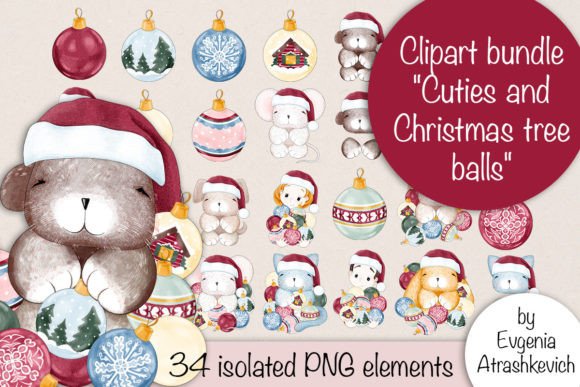
The mood of this bundle is distinctly playful. The shapes are rounded and organic, avoiding the sharp, jagged edges that often cause thread breaks or puckering in smaller hoop sizes. From a visual standpoint, the "cutie" aspect implies a certain simplicity. This is crucial for embroidery because overly complex Illustrations often lose their definition once stitched out. The layout of the balls suggests a balance between negative space and filled areas, which is ideal for maintaining clarity on textured fabrics.
I immediately thought about how these would look on a tote bag design. The rounded forms complement the natural drape of canvas or cotton tote materials. Unlike rigid geometric patterns, these organic shapes allow the fabric to move without distorting the image significantly. For an Etsy seller looking to differentiate their small shop product lineup, this kind of approachable, friendly aesthetic can significantly boost buyer engagement. It feels less like a corporate logo and more like a personalized gift crafted with care.
Real-World Application: The Holiday Sweatshirt Test
To truly evaluate the Clipart Bundle Cutie and Christmas Balls, I mentally walked through a recent project: a custom sweatshirt embroidery order for a client’s boutique. The goal was to create a festive yet subtle look that wouldn’t feel childish on an adult garment. I selected one of the simpler ball designs from the bundle to place on the left chest area.
In this scenario, the performance of the design depends heavily on stitch density. If the digital file relies too heavily on dense fill stitch work, the sweatshirt fabric will pucker, creating an unsightly ripple effect around the motif. Conversely, if it uses too much running stitch, the design may look sparse and fail to cover the underlying fabric color, especially if the sweatshirt is a dark navy or forest green. Based on the visual complexity of these clipart elements, I anticipate they would perform best with a combination of satin borders and moderate fill interiors. This approach ensures the thread colors pop without adding excessive bulk.
For a craft business owner, this distinction is vital. A puckered sweatshirt is a return request waiting to happen. By choosing designs that respect the limitations of knit fabrics, you protect your brand consistency and customer trust. The whimsical nature of these balls fits perfectly here, offering a touch of holiday cheer without the heaviness of traditional, dense Christmas imagery.
Navigating Fabric and Hoop Constraints
While the aesthetic is strong, we must address where this bundle requires careful handling. Not every embroidery file is universal in its application. Here are specific scenarios where you should proceed with caution:
- Small Hoop Sizes: If you are working with a 4x4 inch hoop, ensure the details of the balls are not too intricate. Tiny elements can get lost or become difficult to weed if they are part of an applique design.
- Textured Fabrics: On towels or heavy knits, fine details may sink into the pile. You might need to adjust your stabilizer choice, opting for a cut-back stabilizer to provide extra support.
- Dark Fabric: Always test your thread colors against dark backgrounds. Some lighter shades in the clipart bundle may require an underlay stitch or a white base layer to ensure vibrancy.
- Curved Surfaces: Embroidering on caps or curved sleeves requires designs that are not too wide. The round shape of these balls is actually advantageous here, as it centers well on curved planes without stretching awkwardly at the edges.
For baby embroidery projects, such as onesies or bibs, softness is paramount. Ensure that the back of the stitching is clean and that no harsh backing materials irritate sensitive skin. The simple shapes in this bundle are generally safer for baby items because they tend to have fewer jagged ends that can fray over time.
Enhancing Product Value and Branding
Using high-quality assets like the Clipart Bundle Cutie and Christmas Balls directly impacts the perceived value of your finished product. In the world of commercial embroidery, presentation is everything. A crisp, well-digitized design signals professionalism. It tells the customer that you care about the details, which justifies a higher price point for your custom apparel or home decor items.
Consider using these designs for holiday embroidery on kitchen towels or pillow covers. These are high-volume items during the Q4 season. By creating a cohesive look using multiple elements from the bundle, you can build a recognizable brand style. Whether you are selling physical goods or creating printable mockup assets for digital listings, the versatility of these illustrations allows for consistent branding across different platforms.
Practical Designer Notes for Best Results
Before you load this digital embroidery file into your machine, take a moment to review these practical steps. They are the difference between a hobbyist attempt and a professional result:
- Test on Scrap Fabric: Never stitch directly on your final garment. Use a scrap piece of the same material to check tension and alignment.
- Check Stitch Density: Review the simulation in your software. If areas look too solid, consider reducing density to prevent puckering.
- Confirm Licensing: Before selling items made with this bundle, verify the license terms. Ensure you are compliant for both personal and commercial use.
- Contrast Check: View the design in black and white. If the details disappear, you may need to simplify the design or choose contrasting thread colors.
- Stabilizer Selection: Match your stabilizer to your fabric. Woven fabrics typically need tear-away, while knits require cut-away for lasting stability.
Ultimately, the Clipart Bundle Cutie and Christmas Balls offers a charming, versatile option for designers looking to add a touch of whimsy to their holiday collections. It is not just about the cute factor; it is about how well the design respects the mechanics of embroidery. By understanding the interplay between shape, fabric, and stitch type, you can leverage these design assets to create standout pieces that resonate with customers. Whether you are decorating an embroidered patch, a festive apron, or a cozy blanket, this bundle provides a solid foundation for creative expression. Just remember to test, adjust, and stitch with intention.