Candy Canes Christmas Vintage Sign SVG Review
As a designer who has spent countless hours digitizing and testing files for real-world application, I approach every new machine embroidery design with a mix of curiosity and skepticism. We have all been there: you download a file that looks stunning on the screen, only to find it puckers the fabric or loses its charm once the needle hits the cloth. That is why I took a close, practical look at the Candy Canes Christmas Vintage Sign SVG. This isn’t just about whether it looks cute; it is about whether it holds up under the pressure of a commercial embroidery project.
First Impressions and Visual Personality
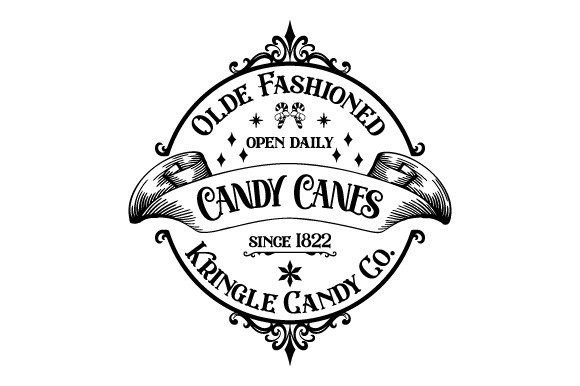
The moment I loaded the Candy Canes Christmas Vintage Sign SVG into my software, the vintage aesthetic stood out immediately. It does not rely on the hyper-saturated, neon brightness that plagues so many modern holiday graphics. Instead, it leans into a nostalgic, retro vibe that feels warm and inviting. For those of us selling handmade products, this distinction is crucial. Customers are increasingly drawn to items that feel curated and timeless rather than mass-produced.
The layout of the design suggests a balanced composition. The candy cane elements are likely stylized to complement the typography or central motif, creating a cohesive unit rather than disjointed clipart. In the realm of Illustrations used for embroidery, clean lines are non-negotiable. If the vectors are messy, the digitizer has to work twice as hard to create smooth paths. From what I can see, this design offers a solid foundation for clean stitching, provided the digitizer has respected the natural flow of the shapes.
Real-World Application: The Tote Bag Test
To truly evaluate a design, you have to imagine it on a product. I visualized this piece on a heavy canvas tote bag design. This is a popular item for Etsy sellers and boutique owners during the holiday rush. The vintage sign aesthetic pairs beautifully with natural cotton or linen fabrics. Imagine a cream-colored tote with this design stitched in deep reds, forest greens, and soft whites. It becomes an instant personalized gift that a customer would be proud to carry to a holiday market or use for grocery runs.
Beyond totes, I see strong potential for sweatshirt embroidery. A crewneck sweatshirt in heather grey or oatmeal provides a neutral backdrop that allows the vintage colors to pop without overwhelming the wearer. The design’s scale seems appropriate for the left chest area or a larger center placement, depending on the specific dimensions of the file. For custom apparel businesses, offering this as a seasonal add-on can significantly boost average order value.
Technical Considerations for Stitching
While the visual appeal is high, the technical execution is where projects succeed or fail. When working with a design like this, which likely incorporates both text and graphical elements, stitch type selection is critical. You will want to ensure that any lettering uses a proper satins stitch width that is not too wide for small hoops, yet dense enough to cover the fabric completely. If the design includes larger filled areas, a well-balanced fill stitch pattern is essential to prevent sinking into plush fabrics like towels or fleece.
Stitch density is another factor I always scrutinize. Vintage-style designs can sometimes include intricate details that translate poorly if the density is too high. High density leads to perforation of the fabric and thread breakage. Conversely, too low density leaves gaps. I recommend running a test stitch-out on a scrap piece of your intended fabric. Pay close attention to how the running stitch outlines behave. They should tack down cleanly without shifting.
Fabric choice matters immensely here. For a crisp, professional look, stable woven fabrics like cotton twill or denim are ideal. If you are attempting this on a stretchy knit for a t-shirt, a cut-away stabilizer is mandatory to maintain shape integrity over time. Avoid using this on extremely thin or slippery fabrics unless you have advanced hooping techniques and experience with delicate materials.
Navigating Challenges and Limitations
No design is perfect for every scenario. There are specific situations where you should exercise caution with the Candy Canes Christmas Vintage Sign SVG. First, consider the hoop size. If the design is large, it may not fit in a standard 4x4 hoop, requiring you to re-hoop or use a larger machine frame. Always check the dimensions before committing to a project.
Secondly, be mindful of thread colors. Vintage palettes often rely on muted tones. If you substitute these with bright, primary threads, you lose the intended aesthetic. Stick to variegated threads or matte finishes to enhance the retro feel. Also, avoid placing this design on highly textured fabrics like thick wool coats unless you use a topping stabilizer. The texture can obscure fine details, making the design look muddy.
For embroidered patch creators, this design could work well if scaled correctly. However, ensure that any small text remains legible when shrunk down. Tiny lettering often merges together after washing, so verify readability at your intended size.
Commercial Value and Brand Consistency
For craft business owners, consistency is key. This design fits seamlessly into a broader holiday collection. It appeals to buyers looking for holiday embroidery that feels sophisticated rather than childish. Using this in your small shop product lineup can help establish a brand identity centered on quality and nostalgia.
When creating printable mockup images for your online store, ensure the lighting reflects the true texture of the stitches. A well-stitched version of this design can elevate the perceived value of your finished product. Customers are willing to pay more for items that look professionally executed. The vintage sign theme also lends itself well to home decor items like pillow covers or kitchen towels, expanding your product range beyond apparel.
Final Designer Notes and Best Practices
Before you launch this into production, take these practical steps. First, confirm the license terms. Ensure the digital embroidery file allows for commercial embroidery use if you plan to sell physical items. Never assume; always read the documentation.
- Test on Scrap Fabric: Always run a test on the exact fabric weight and type you plan to use for the final product.
- Check Contrast: View your design in black and white on your screen. If the details disappear, the contrast between thread and fabric may be insufficient.
- Inspect Details: Zoom in on the vector file before digitizing or purchasing. Look for overlapping nodes or unnecessary anchor points that could cause stitching errors.
- Stabilizer Selection: Match your stabilizer to your fabric. Tear-away for stable wovens, cut-away for knits, and wash-away for delicate or sheer materials.
In conclusion, the Candy Canes Christmas Vintage Sign SVG offers a charming, versatile option for holiday projects. It bridges the gap between festive fun and vintage elegance. By paying attention to technical details like stitch density, fabric stability, and thread choice, you can transform this digital asset into a high-quality handmade product that resonates with customers. Whether you are an experienced Etsy seller or a hobbyist making gifts for family, this design has the potential to become a seasonal staple in your creative toolkit.