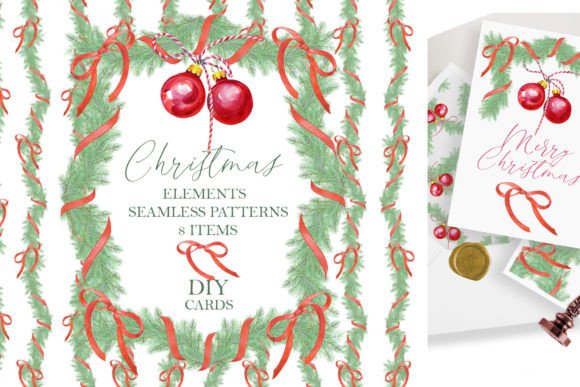
Christmas DIY Cards: Fresh Illustrations for Holiday Design
As a designer who spends most of December juggling seasonal campaigns for boutique clients, my first impression of the Christmas DIY Cards asset collection was one of immediate utility. In the chaotic rush of Q4, finding a graphic design asset that balances festive charm with professional polish is often the difference between a last-minute scramble and a streamlined workflow. Upon opening the files, the mood created by these Illustrations is distinctly warm and inviting, leaning heavily into a handcrafted aesthetic that feels authentic rather than mass-produced. This specific style represents a shift away from the overly glossy, corporate holiday graphics we often see, making it a perfect fit for clients in the handmade business sector, local artisans, or brands looking to project a sense of community and warmth.
Integrating Festive Visuals into Real Client Workflows
Imagine a scenario where I am developing a visual concept for a small bakery launching a limited-edition holiday cookie box. The client wants packaging that feels personal, as if each box were wrapped by hand. This is where Christmas DIY Cards shines. The elements within this design bundle are not just decorative; they serve as foundational pieces for packaging design and product labels. Because the style mimics traditional crafting techniques, it translates beautifully onto kraft paper textures or matte finishes, enhancing the tactile feel of the final product.
Beyond physical goods, these assets perform exceptionally well in digital spaces. For a lifestyle blogger or content creator planning a "12 Days of Giving" series, these graphics can be rapidly assembled into social media graphics for Instagram stories or Pinterest pins. The versatility allows them to function as hero graphics in email newsletters or as subtle decorative accents in web design headers. When used in a Canva template intended for sale on a creative marketplace, the distinct style of Christmas DIY Cards adds enough unique character to help the template stand out among thousands of generic options.
Ideal Applications for Maximum Visual Impact
To get the most out of this digital product, it is crucial to understand where it performs best. The intricate details and textured lines of these Illustrations thrive in large layout areas where they have room to breathe. They are excellent for:
- Product Mockups: Adding a festive overlay to t-shirt or mug mockups for print-on-demand sellers.
- Themed Collections: Creating a cohesive look across a range of Etsy products, from stickers to wall art.
- Campaign Visuals: Serving as the central focus for holiday marketing flyers and posters.
- Printable Designs: Acting as the primary artwork for downloadable greeting cards or gift tags.
- Sticker Design: The bold lines and clear shapes make them ideal for die-cut stickers, a popular item for Cricut users.
The emotional appeal of these designs cannot be overstated. They trigger nostalgia and a sense of comfort, which directly influences audience engagement. When a potential customer sees these visuals, they subconsciously associate the brand with tradition and care, boosting visual trust and recognition.
Navigating Limitations and Design Constraints
However, professional judgment requires knowing when not to use an asset. While Christmas DIY Cards is versatile, it demands careful handling in specific contexts. The textured, somewhat rustic nature of the artwork can clash with ultra-modern, minimalist branding that relies on stark whitespace and geometric precision. Furthermore, these elements should be used cautiously in crowded layouts. Because the style relies on fine details to convey its "DIY" charm, shrinking them down for small icons or complex backgrounds can result in a loss of clarity and visual hierarchy.
In projects requiring very clean visual hierarchy, such as corporate annual reports or high-contrast informational signage, these illustrations might introduce too much visual noise. It is also important to consider contrast; placing these lighter, textured elements on busy or dark backgrounds without proper outlining or backing shapes can render them illegible. For small business branding that needs to scale from a favicon to a billboard, one must ensure the core elements of Christmas DIY Cards remain recognizable at reduced sizes.
Essential Designer Notes for Commercial Execution
Before integrating Christmas DIY Cards into a paid client project, there are several practical steps every designer should take to ensure quality and compliance. First, always test the assets in black and white. This reveals whether the illustration holds its form without relying on color gradients, which is vital for single-color print methods like screen printing or embossing.
Next, rigorously check contrast on both light and dark backgrounds. If you are creating a t-shirt design for a dark garment, you may need to add a white underbase or modify the vector paths to ensure the design pops. Preview the assets at various scales—from a tiny social media profile picture to a large format poster—to verify that the line weights do not disappear or become muddy.
Technical inspection is equally critical. If the bundle includes PNGs, inspect the transparency to ensure there are no unwanted halos around the edges. If SVG or vector files are provided, open them in your preferred editor to confirm that the paths are clean and editable. This editability is key for customizing colors to match a client's specific brand palette. Compare how these graphics interact with your chosen typography; they often pair wonderfully with handwritten fonts or chunky display fonts, but might struggle against delicate serif or sans-serif typefaces depending on the weight of the lines.
Finally, and perhaps most importantly, review the licensing terms. Confirm that the commercial license covers your intended use case, whether it is for a client's marketing visuals, an editorial design piece, or a product for resale. Understanding the boundaries of the license protects both you and your client from legal issues down the road.
In conclusion, Christmas DIY Cards is a robust resource for designers seeking to inject genuine holiday spirit into their work. When applied with strategic forethought regarding scale, contrast, and brand alignment, it elevates creative design projects from standard seasonal outputs to memorable, emotionally resonant experiences. Whether you are crafting a sublimation design for a local shop or building a comprehensive brand identity for a new holiday launch, this asset offers the flexibility and charm needed to succeed in the competitive holiday market.