Review: Christmas Cats, Cute Clipart Patterns for Embroidery
As a designer who has spent countless hours digitizing and stitching out holiday motifs, I approach every new machine embroidery design with a mix of curiosity and skepticism. We have all been there: you download a file that looks adorable on the screen, only to find it turns into a tangled mess of thread on your favorite sweatshirt. That is why I took a close look at Christmas Cats, Cute Clipart Patterns to see if it holds up in real-world applications. This isn’t just about whether the image is pretty; it is about whether it functions as a reliable embroidery file for crafters, Etsy sellers, and small business owners who need consistent, high-quality results.
First Impressions: Mood and Visual Personality
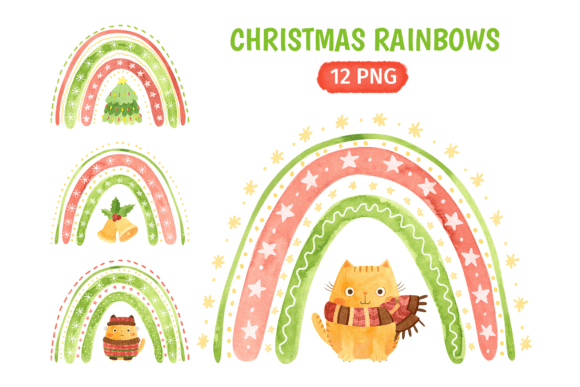
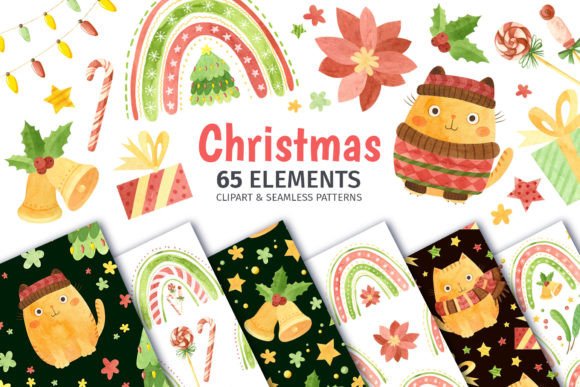
The first thing that strikes you about Christmas Cats, Cute Clipart Patterns is its inherent charm. It captures that specific cozy, whimsical energy that defines modern holiday decor. The lines are clean, and the shapes are distinct, which is crucial for embroidery. Unlike complex photographic illustrations, these patterns rely on strong silhouettes and expressive features. For an embroidery project, this is a win. Complex gradients often fail in thread, but bold, clear shapes translate beautifully into satin and fill stitches.
The mood is playful yet polished. It feels appropriate for a wide demographic, from children’s items to trendy adult apparel. When I visualized this design on a neutral linen tote bag, the contrast was immediate and appealing. It doesn’t scream "cheap novelty"; instead, it suggests a thoughtful, handmade product. For boutique branding, this kind of visual personality helps establish a warm, inviting aesthetic that customers trust.
Real-World Application: From Screen to Stitch
To truly evaluate Christmas Cats, Cute Clipart Patterns, I imagined several practical scenarios where this design would shine. Let’s consider a custom embroidered sweatshirt. Holiday parties are peak season for personalized gifts, and a cute cat motif on the chest or sleeve adds a festive touch without being overwhelming. Because the design likely utilizes a mix of satin stitch for outlines and fill stitch for larger areas, it should sit flat against the fabric, preventing that bulky, cardboard-like feel that ruins comfortable apparel.
Another ideal use case is baby embroidery. Think of a soft onesie or a receiving blanket. The simplicity of clipart-style patterns often means fewer dense stitch areas, which is gentler on delicate skin. However, this depends entirely on the underlying digitization. If the stitch density is managed well, the finished product will be soft and durable. For Etsy sellers, this versatility is key. You can market the same design across multiple categories: nursery decor, holiday gifts, and custom apparel, maximizing the value of a single digital asset.
I also considered its use on accessories like caps and aprons. Curved surfaces like baseball caps require designs that are not too wide or overly detailed on the edges. If Christmas Cats, Cute Clipart Patterns maintains its integrity when scaled down, it could work beautifully as a small accent on a pocket or a brim. For kitchen towels, a running stitch border combined with the main motif could create a charming holiday set that appeals to home decorators.
Navigating Fabric and Technical Challenges
While the design is visually appealing, practical embroidery requires us to think about limitations. Where should you use caution? First, consider the fabric texture. On highly textured fabrics like thick wool or terry cloth, fine details can get lost. If this pattern includes tiny whiskers or small eyes, they might merge into the background pile. In such cases, using a cutaway stabilizer is non-negotiable to support the stitches and keep the design crisp.
Stretchy fabrics present another challenge. If you are applying this to a knit t-shirt or a stretchy baby garment, the hoop tension must be perfect. A design with high stitch density can cause puckering if the fabric isn’t properly stabilized. I always recommend testing on scrap fabric first. Check how the thread colors interact with the fabric. Dark fabrics require careful planning; if the design relies on light threads, you may need an underlay or a backing patch to prevent the fabric color from showing through the stitches.
Small hoop sizes are another constraint. If you are working with a 4x4 inch hoop, ensure the design fits comfortably within the safe zone. Crowding the edges can lead to skipped stitches or hoop burns. For curved surfaces like caps, verify that the design isn’t too tall, as it might distort when stitched on the curved frame. Always inspect small details before committing to a final product. A slight adjustment in scale can make the difference between a professional finish and a messy one.
Enhancing Product Value and Brand Consistency
For commercial embroidery and small shop products, consistency is everything. Christmas Cats, Cute Clipart Patterns offers a recognizable style that can become part of your brand identity. When customers see a cohesive look across your Etsy listings or craft fair booth, it builds trust. A well-executed embroidered patch or tote bag design signals quality. It shows that you care about the details, from thread choice to stitch clarity.
This design also enhances giftability. Personalized gifts with a unique, cute twist are highly shareable on social media. A well-stitched cat motif on a holiday pillow cover or apron is photogenic, encouraging buyers to post pictures of their purchases. This organic marketing is invaluable for creative entrepreneurs. Furthermore, using high-quality design assets ensures that your printable mockups look realistic, helping online customers visualize the final product accurately.
Practical Notes for Designers and Makers
Before you load this into your machine, here are some essential steps to ensure success. First, confirm the licensing terms. Whether you are making items for personal use or selling them as commercial embroidery products, you must know your rights. Check if the license allows for unlimited sales or if there are restrictions. Never assume; always read the fine print.
- Test on Scrap Fabric: Always stitch out a test sample on the same type of fabric you plan to use for the final product. This reveals issues with tension, density, and color contrast.
- Check Thread Colors: Compare the design in black and white mockups to ensure the shapes remain distinct without color reliance. This helps in choosing thread colors that provide enough contrast against your fabric.
- Review Stitch Density: Look at the stitch count relative to the size. If it seems too dense for lightweight fabric, consider resizing or adjusting settings if your software allows.
- Use Proper Stabilizer: Match your stabilizer to your fabric. Cutaway for knits, tear-away for wovens. This is critical for maintaining the shape of the design after washing.
- Verify File Formats: Ensure you have the correct digital embroidery file format for your machine. Common formats include PES, DST, and JEF. Check compatibility before purchasing or downloading.
In conclusion, Christmas Cats, Cute Clipart Patterns has the potential to be a standout addition to your holiday collection. Its strength lies in its clear, adaptable shapes and universal appeal. By paying attention to fabric choice, stabilization, and stitch quality, you can transform this digital design into a tangible, high-value handmade product. Whether you are an experienced decorator or a hobbyist looking to elevate your craft, this design invites creativity while demanding respect for the technical nuances of embroidery. Treat it with care, test thoroughly, and it will likely become a staple in your seasonal offerings.