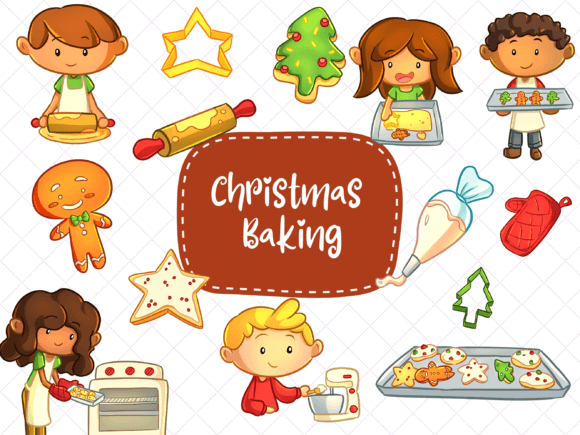
Reviewing Christmas Baking Clip Art for Embroidery
As a designer who spends more time staring at stitch simulations than actual fabric, I have learned that not every cute graphic translates well to thread. When I first pulled up the Christmas Baking Clip Art files, my initial reaction was one of cautious optimism. The theme is undeniably charming—gingerbread men, rolling pins, whisks, and frosted cookies evoke an immediate sense of warmth and nostalgia. However, charm alone does not make a viable machine embroidery design. I needed to know if these Illustrations would hold up under the needle, especially when applied to real-world products for my clients.
First Impressions and Visual Personality
The visual personality of this collection leans heavily into the cozy, rustic aesthetic that dominates the holiday market. The shapes are generally rounded and organic, which is a good sign for embroidery. Sharp, angular corners often cause thread breaks or puckering, but the soft curves found in baking imagery tend to stitch out smoothly. The level of detail varies across the set. Some elements are bold and simple, perfect for quick stitching, while others feature finer lines that mimic hand-drawn sketches. This variety is useful, but it requires careful selection based on your project goals.
For an embroidery project intended for commercial sale, clarity is king. I looked closely at the smaller elements, such as the sprinkles on a cookie or the texture of a knitted oven mitt. In digital format, they look crisp. But in thread, tiny details can get lost, especially if the stitch density is too high or the fabric texture interferes. My advice is to treat these designs as visual guides rather than rigid templates. You may need to simplify certain areas to ensure the final finished product looks professional rather than cluttered.
Real-World Application: The Holiday Tote Bag Test
To truly evaluate the utility of Christmas Baking Clip Art, I imagined a specific scenario: creating a limited-edition holiday tote bag for a local boutique. Tote bags are typically made from canvas or heavy cotton, which provides a stable base for embroidery. I selected a design featuring a large gingerbread house and a rolling pin. The layout worked well because the horizontal spread of the rolling pin balanced the vertical height of the house.
When considering tote bag design, scale is critical. A design that looks perfect on a screen might appear tiny on a large bag or overwhelmingly dense on a small pocket. I recommend placing the main baking element centrally, perhaps with a smaller whisk or cookie as an accent near the handle. This creates a dynamic composition that draws the eye without looking like a random sticker placement. For Etsy sellers and small shop product creators, this kind of thoughtful placement adds perceived value. It shows that the item was designed with care, not just slapped together.
Apparel and Custom Gifts
Beyond bags, this clip art shines in custom apparel. Imagine a matching set of aprons for a family baking competition or a sweatshirt embroidery design for a cozy winter weekend. The whimsical nature of baking tools pairs beautifully with the softness of fleece or cotton blends. However, you must be mindful of the fabric. Stretchy materials like jersey knit require a stabilizer that can move with the fabric, otherwise, the fill stitch areas might pucker or distort the garment.
For baby embroidery projects, such as onesies or bibs, I would select the simpler icons from the collection. A single, clean outline of a cookie cutter or a cupcake is adorable and less likely to irritate sensitive skin compared to a dense, multi-colored scene. Always prioritize comfort and durability when designing for infants. The thread colors should be soft and appealing, avoiding harsh contrasts that might look aggressive on delicate fabrics.
Technical Considerations for Stitching Success
While the artistic merit of Christmas Baking Clip Art is high, the technical execution requires attention. Here are the key factors I evaluate before committing to a full production run:
- Hoop Size: Ensure your design fits comfortably within your hoop. If you are using a 4x4 inch hoop for a complex scene, you may need to split the design or choose a simpler element. Crowding the edges can lead to stitching errors.
- Stabilizer Selection: For woven fabrics like linen or cotton, a cut-away stabilizer provides long-term stability. For knits, a tear-away might suffice for light designs, but cut-away is safer for heavier fill stitch areas to prevent sagging over time.
- Thread Contrast: Test your design on both light and dark fabrics. A design that looks great on white might disappear on navy blue if the thread colors are not adjusted. Use a printable mockup to visualize this before stitching.
- Density Checks: High stitch density can make fabric stiff and prone to puckering. If the design feels too heavy, consider reducing the density in your software or replacing some fill areas with satin stitch borders or running stitch details.
Navigating Fabric and Surface Challenges
Not every surface is ideal for these designs. Curved surfaces like caps present a challenge because the fabric stretches and shifts during stitching. If you attempt embroidered patch creation for hats, ensure the backing is sturdy and the design is not too wide. Textured fabrics, such as terry cloth towels, can swallow up fine details. In these cases, opt for the bolder, simpler icons from the Christmas Baking Clip Art set. Avoid intricate lettering or tiny decorative accents on rough textures, as they will lack definition.
Dark fabrics require special consideration. If you are stitching on black or deep green, you may need to use a underlay stitch in a lighter color to help the top threads pop. This technique enhances visibility and ensures that the holiday embroidery stands out vividly. Always run a test stitch on scrap fabric of the same type and color before starting your final piece. This simple step saves time, thread, and frustration.
Commercial Viability and Brand Consistency
For craft business owners, consistency is key to building brand trust. Using Christmas Baking Clip Art across a range of products—from kitchen towels to pillow covers—creates a cohesive collection. This coherence helps customers recognize your style and encourages multiple purchases. However, always verify the licensing terms of the digital embroidery file. Ensure you have the right to use the designs for commercial embroidery and sales. Some licenses restrict usage to personal projects only, so clarity here is essential to avoid legal issues.
When listing items on platforms like Etsy, high-quality photos are crucial. Use the stitched samples to create attractive design assets for your listings. Show the texture of the thread and the quality of the stitching. Customers appreciate seeing the reality of the handmade product, not just a digital render. This transparency builds confidence and reduces return rates.
Final Verdict for Designers
In conclusion, Christmas Baking Clip Art offers a delightful range of options for holiday-themed projects. Its strength lies in its versatility and emotional appeal. Whether you are creating a personalized gift for a friend or stocking your small shop product line for the season, these designs can elevate your offerings. However, success depends on your technical preparation. Respect the limitations of your machine, choose the right materials, and always test before you commit. With careful execution, these illustrations can become standout pieces in your portfolio, bringing joy and warmth to every stitch.